Iranian state television says a missile strike on Dimona, home to a nuclear facility in southern Israel, was a "response" to an earlier attack on its Natanz nuclear site.
Iran’s atomic energy organisation said the "Natanz enrichment complex was targeted this morning", adding there was "no leakage of radioactive materials reported", according to local media.
The Israeli army confirmed "a direct impact of an Iranian missile" on a building in the city that houses a nuclear research facility, AFP reported.
Israeli media report that at least 39 people were injured, although officials have yet to provide a full breakdown of casualties.
Dimona sits near one of the most sensitive locations in Irael: the Shimon Peres Negev Nuclear Research Center, long linked to Israel’s undeclared nuclear weapons programme.
The Israeli state continues to refuse transparency, neither confirming nor denying its arsenal, while maintaining one of the region’s most heavily fortified sites in the Naqab desert.
The International Atomic Energy Agency says it is aware of reports of a strike in Dimona but has received no information of damage to the Negev nuclear research centre from Israel
However, with Israel maintaining secrecy over its undeclared nuclear programme, questions remain over how much information is being shared with international inspectors.
The agency said regional authorities reported no abnormal radiation levels and that it is monitoring the situation.
Iran’s Natanz nuclear plant
The strike on Dimona came hours after a US-Israeli attack targeted Iran’s Natanz nuclear enrichment complex.
Iran condemned the strike as “criminal attacks”, saying it violated international law and nuclear agreements, including the Non-Proliferation Treaty (NPT), and warned of wider consequences.
The International Atomic Energy Agency confirmed the Natanz attack but reported no rise in radiation levels outside the facility, as it launched an investigation and urged restraint.
Iran had previously warned it could target Dimona if Israel continued striking nuclear sites.
A military source told Tasnim News Agency on Saturday that Iran has shifted its strategy, signalling a move beyond a policy of proportional retaliation.
The source said Tehran now intends to raise the cost of any attack, warning that future responses will be broader and more damaging.
"The enemy must have realized by now that if they attack one infrastructure, we will attack several of their infrastructures; if they attack a refinery or gas facility, we will attack several similar facilities and teach them a crushing lesson."
The source added: "Iran responds to every mistake of the enemy with surprise and sets their interests on fire."
March 21, 2026 at 10:27 PM
Iran attacks Israel's Dimona nuclear site in retaliation, dozens wounded
Read original articleImpacted Markets
5 markets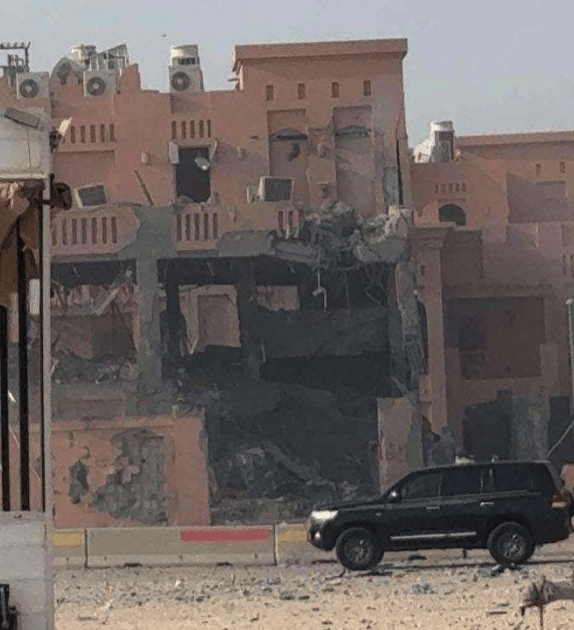
Will Israel strike 15 or more countries in 2026?
Polymarket
Vol: $26.7kLiq: $10.7k
Impact
3/10
Volatility
high
Macro
medium
Risk
high
Will Israel strike 11 countries in 2026?
Polymarket
Vol: $56.2kLiq: $8.9k
Impact
2/10
Volatility
medium
Macro
medium
Risk
high
Will Israel strike 1 country in 2026?
Polymarket
Vol: $87.3k
Impact
6/10
Volatility
high
Macro
high
Risk
high
Will Israel strike 2 countries in 2026?
Polymarket
Impact
6/10
Volatility
high
Macro
medium
Risk
high
Will Israel strike 13 countries in 2026?
Polymarket
Vol: $36.9kLiq: $10.5k
Impact
5/10
Volatility
high
Macro
high
Risk
high