More than 1,000 people have been killed in intensified Israeli attacks across Lebanon this month, according to local authorities, as the United Nations and other rights groups say Israel’s bombardment of the country may amount to war crimes.
The Lebanese Ministry of Public Health said on Thursday that Israeli attacks have killed 1,001 people in Lebanon since March 2, including 79 women, 118 children and 40 healthcare workers. More than 2,584 people have been wounded.
Recommended Stories
list of 3 items
list 1 of 3Why Israel targets Beirut’s Dahiyeh and what the suburb means to Lebanon
list 2 of 3Iran war: What is happening on day 20 of US-Israel attacks?
list 3 of 3Israeli air raids devastate southern Lebanon, dozens killed in two days
end of list
Israeli attacks on Lebanon intensified in early March after Lebanese armed group Hezbollah launched rockets into northern Israel, in response to the killing of Iranian Supreme Leader Ayatollah Ali Khamenei on February 28, the first day of the US-Israeli war on Iran.
The Israeli bombardment has forced more than one million people out of their homes across the country’s south and several parts of the capital, Beirut.
Israel’s military has bombed residential buildings and other infrastructure, and launched a widening ground operation in southern Lebanon, in a campaign that it says is targeting Hezbollah.
The Lebanese group has responded by firing barrages of rockets into northern Israel and engaging Israeli forces on the ground in the south.
Earlier this week, a spokesperson for UN human rights chief Volker Turk said the Israeli attacks may amount to war crimes.
“International humanitarian law demands distinction between military targets and civilians and civilian objects and insists on feasible precautions being taken to protect civilians. Deliberately attacking civilians or civilian objects amounts to a war crime,” the spokesperson said.
That message was echoed on Thursday by Amnesty International, which urged Israel to halt its attacks on Lebanese healthcare workers and facilities.
“Healthcare workers are risking their lives to save others, and hospitals, other medical facilities and ambulances are specifically protected under international humanitarian law,” said Kristine Beckerle, the rights group’s deputy regional director for the Middle East and North Africa.
Beckerle also noted that Israel’s claim, without evidence, that Hezbollah has been using ambulances for military purposes “does not justify treating hospitals, medical facilities or medical transport as battlefields or treating doctors and paramedics as targets”.
“Deliberately striking medics performing their humanitarian functions is a serious violation of international humanitarian law and could constitute a war crime,” she said in a statement.
Fighting rages in southern Lebanon
Israel carried out more attacks on towns in southern Lebanon on Friday, causing multiple injuries, state media reported.
“Israeli enemy fighter jets struck at dawn, targeting the towns of Bafliyeh and Hanine in the Tyre and Bint Jbeil districts,” the official National News Agency (NNA) said.
Israeli warplanes also carried out air attacks in the Nabatieh governorate, including on the Qalaa neighbourhood between the towns of Abba and Qasiba, the al-Bayad area in Haboush, as well as the towns of Wadi Abba and Kafr Sir, NNA reported.
Al Jazeera’s Zeina Khodr, reporting from Beirut, said southern Lebanon was “very much a combat zone” as Israeli forces try to advance “from more than one sector” along the border with Lebanon.
“Israel is trying to make the whole area in the south of the country uninhabitable, forcing residents to leave and now targeting infrastructure,” she said.
“They have struck bridges, claiming Hezbollah uses them as supply routes, and hit power stations, leaving areas without electricity. They’re targeting ambulances and health workers. This appears to be a strategy to make this whole area uninhabitable.”
Push for de-escalation
Meanwhile, several countries have raised concerns about the escalating violence in Lebanon and called for de-escalation to prevent further casualties and displacement.
In a joint statement on Monday, the leaders of Canada, the United Kingdom, Germany, Italy and France condemned “attacks directed at civilians, civilian infrastructure, health workers and infrastructure”.
“These actions are unacceptable, and we call on all parties to act in accordance with international humanitarian law,” they said, adding that an expanded Israeli ground offensive “could lead to a protracted conflict” and “should be averted”.
French Foreign Minister Jean-Noel Barrot also held talks with Lebanon’s president on Thursday in a push to end the conflict.
Lebanese President Joseph Aoun’s office said in a statement that Barrot “expressed France’s readiness to work towards putting an end to the military escalation”.
“In solidarity with the Lebanese people, dragged into a war they didn’t choose, we are doubling our humanitarian assistance to Lebanon to 17 million euros [$20m],” Barrot wrote in a social media post after meeting with displaced families in Beirut.
The French foreign minister is also expected to travel to Israel on Friday, the Reuters news agency and Israeli media outlets reported.
5 hours ago
Death toll surpasses 1,000 in Lebanon as Israeli bombardment continues
Read original articleImpacted Markets
1 market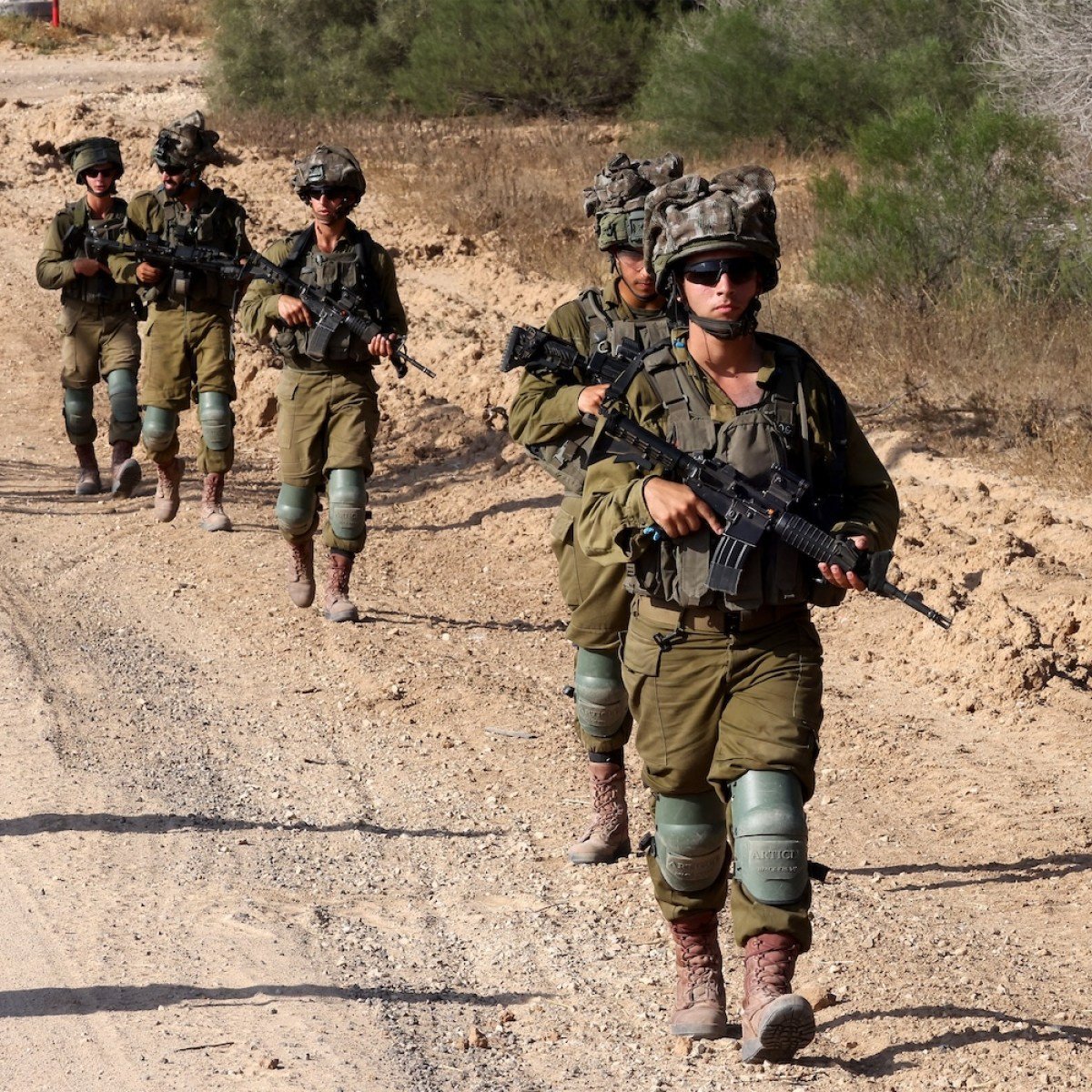
Will Israel launch a major ground offensive in Lebanon by March 31?
Polymarket
Vol: $5826.1kLiq: $99.8k
Impact
7/10
Volatility
high
Macro
medium
Risk
high